Planning freshwater trips in New England
How to pick the right kind of water day: season, access, parking, safety, and backups before you drive.
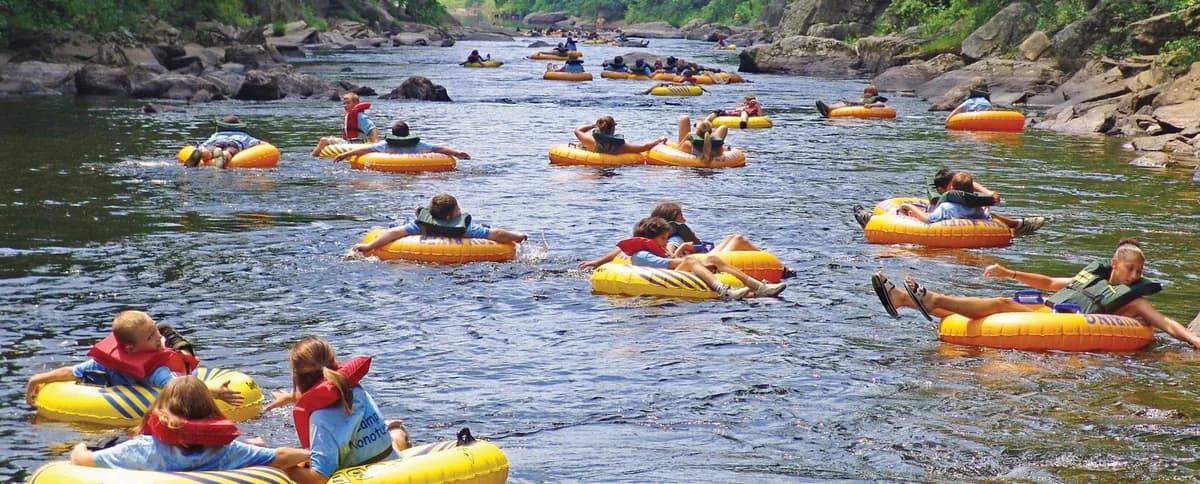
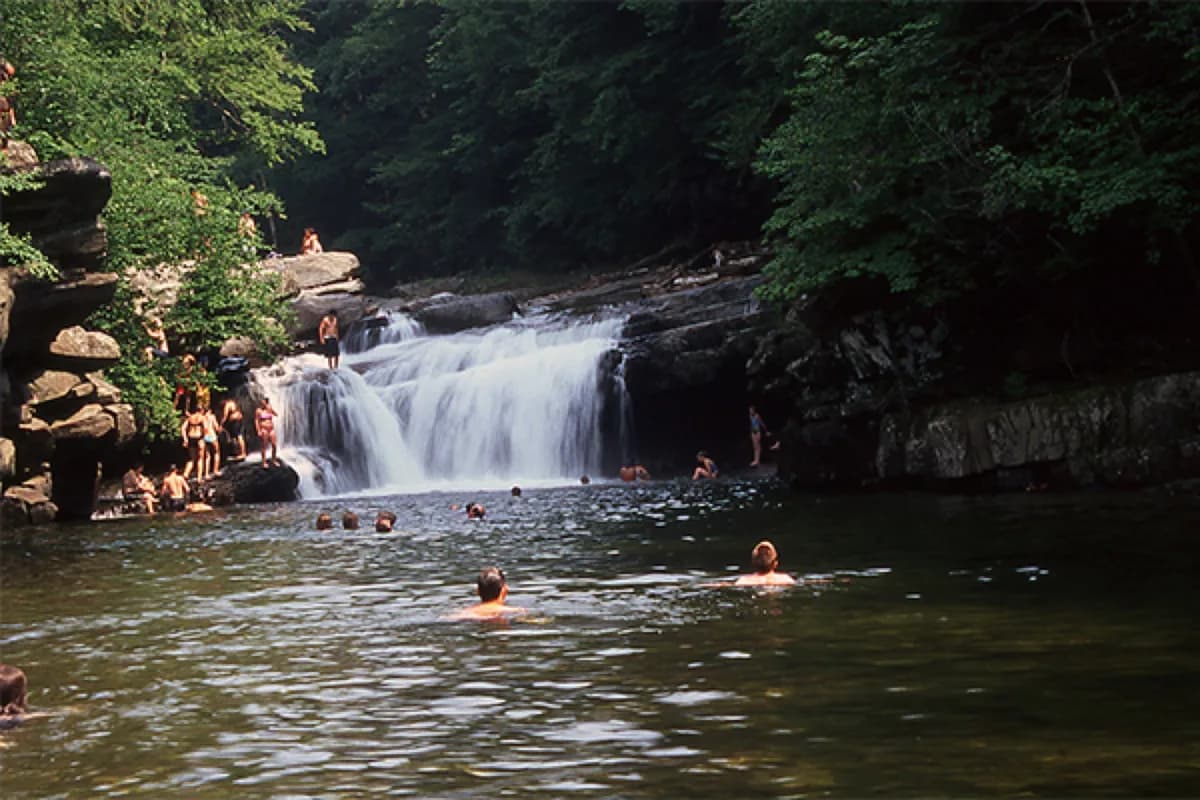
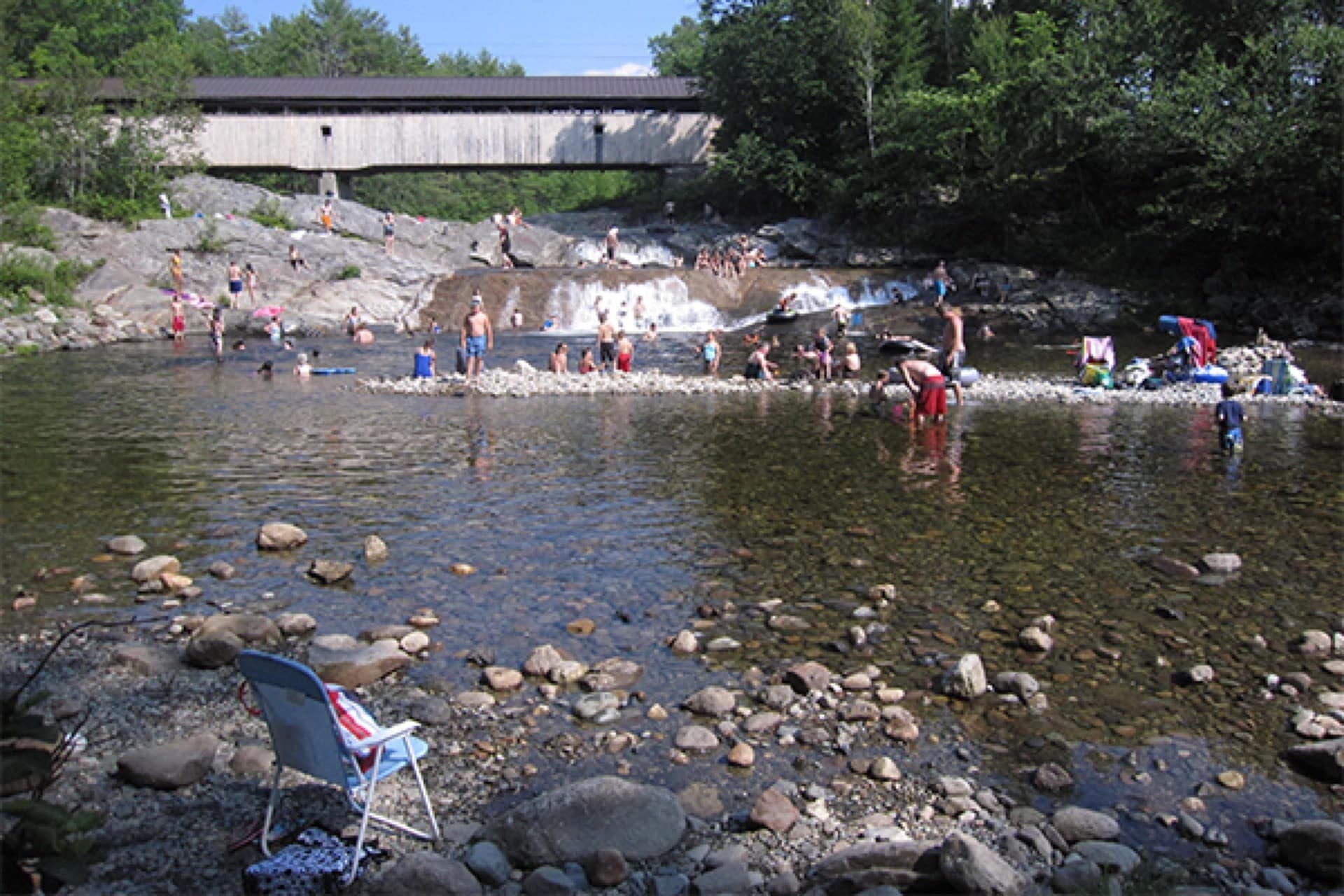
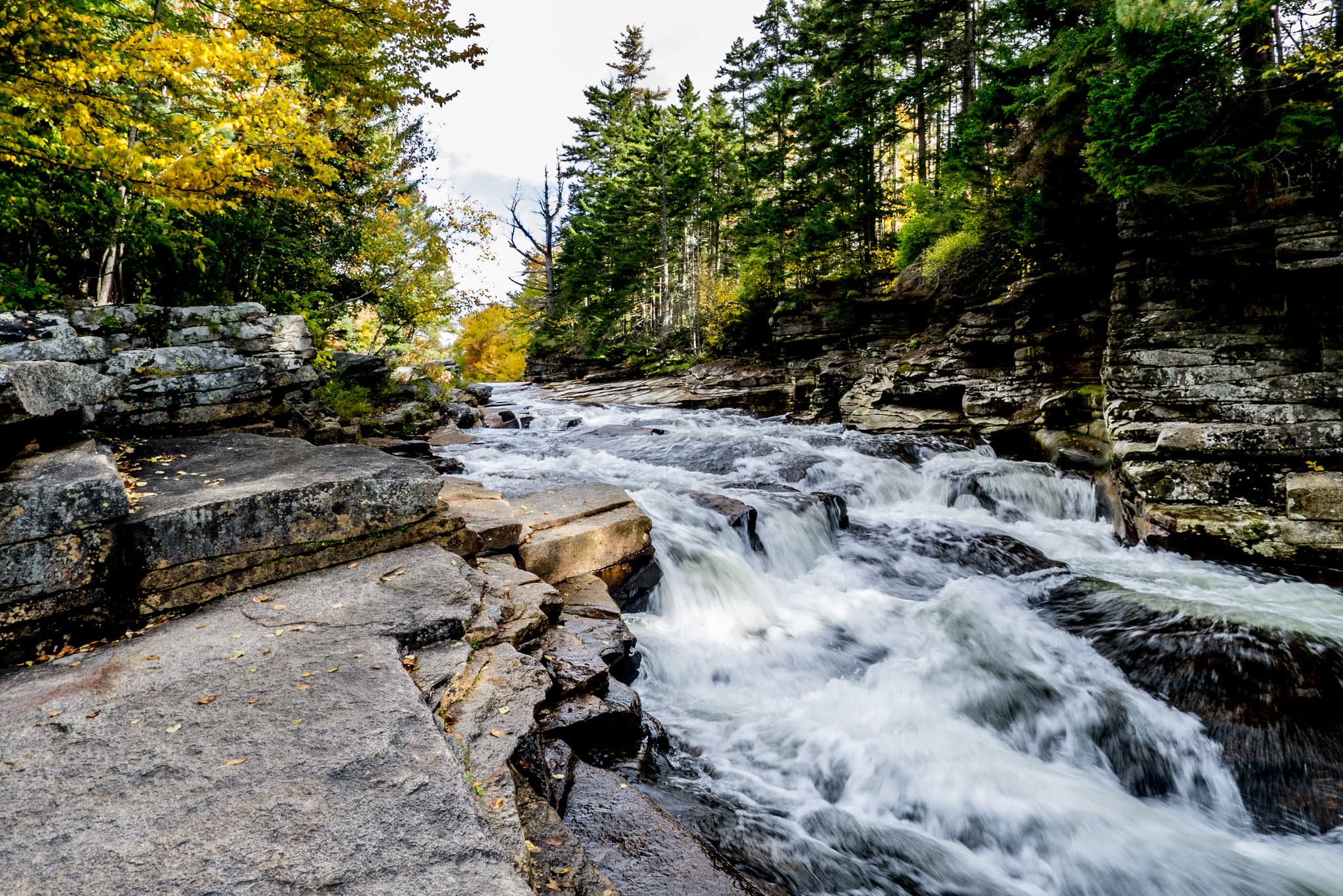
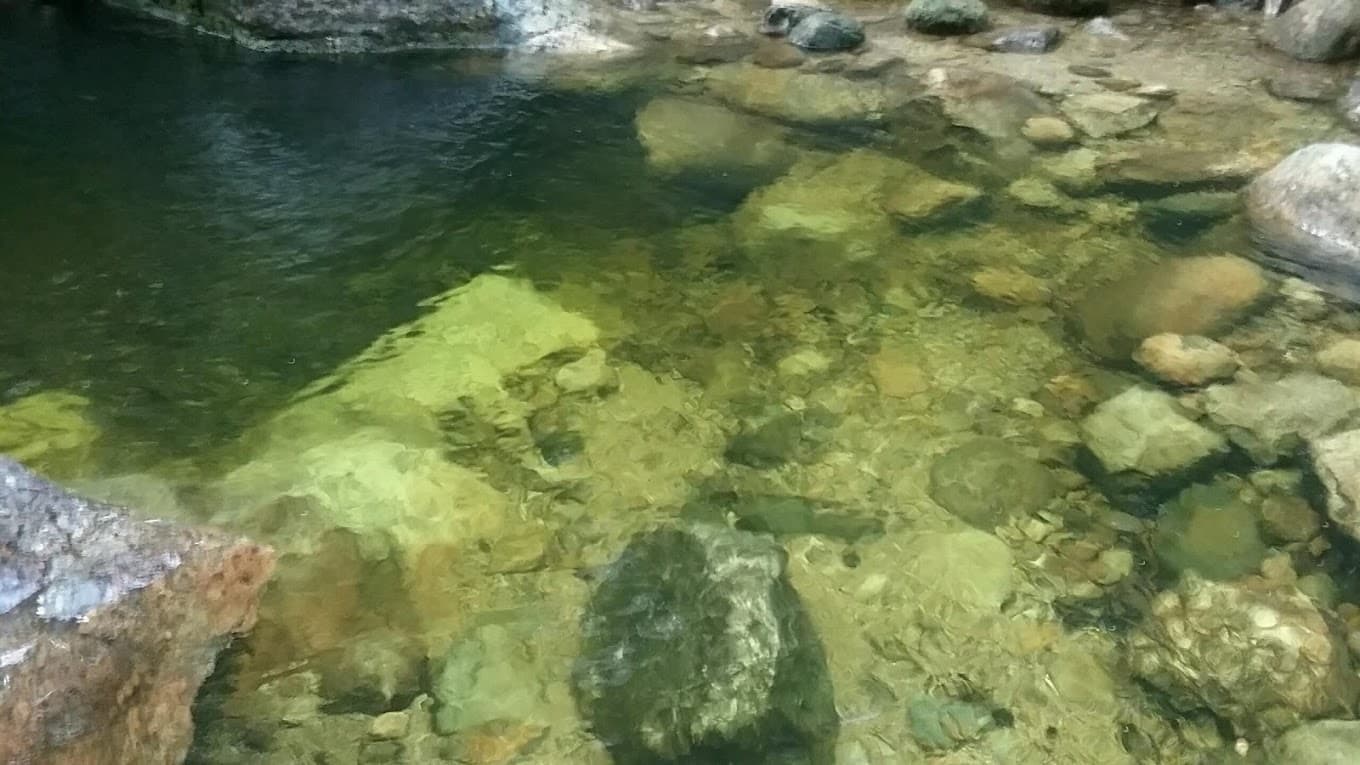
Start with the kind of day you want. Ponds and managed beaches are better for families, slower groups, and hot afternoons. Rivers and gorges feel more classic, but current, cold water, slick rock, and parking limits decide whether the day is realistic.
Check the season before you choose the spot. Early spring is for waterfalls and scouting. Holiday weekends are still cold in mountain water. Midsummer brings the warmest swimming, more algae checks, busier lots, and stronger pressure on small access points.
Read the access notes before you leave home. Look for parking rules, fee season, town-resident limits, road gates, dog rules, restrooms, and whether the walk is truly easy or only short. A two-minute path can still be roots, stairs, or wet ledge.
Build every trip around one main stop and one backup within a reasonable drive. If the water is high, murky, crowded, posted, or colder than your group can handle, move on quickly instead of forcing the plan.
Use recent official sources for the pieces that change fast: state park alerts, town beach pages, road status, river gauges, and local water-quality notices. The guide pages help you choose; signs and current conditions on arrival always win.
Leave the place easier for the next visitor. Park legally, stay on durable surfaces, respect posted closures, and use the report-update button when access, parking, directions, or safety notes have changed.
Updated June 1, 2026