Six-state guides: Vermont to Rhode Island
How Vermont, New Hampshire, Maine, Massachusetts, Connecticut, and Rhode Island differ for freshwater swimming and waterfall trips.
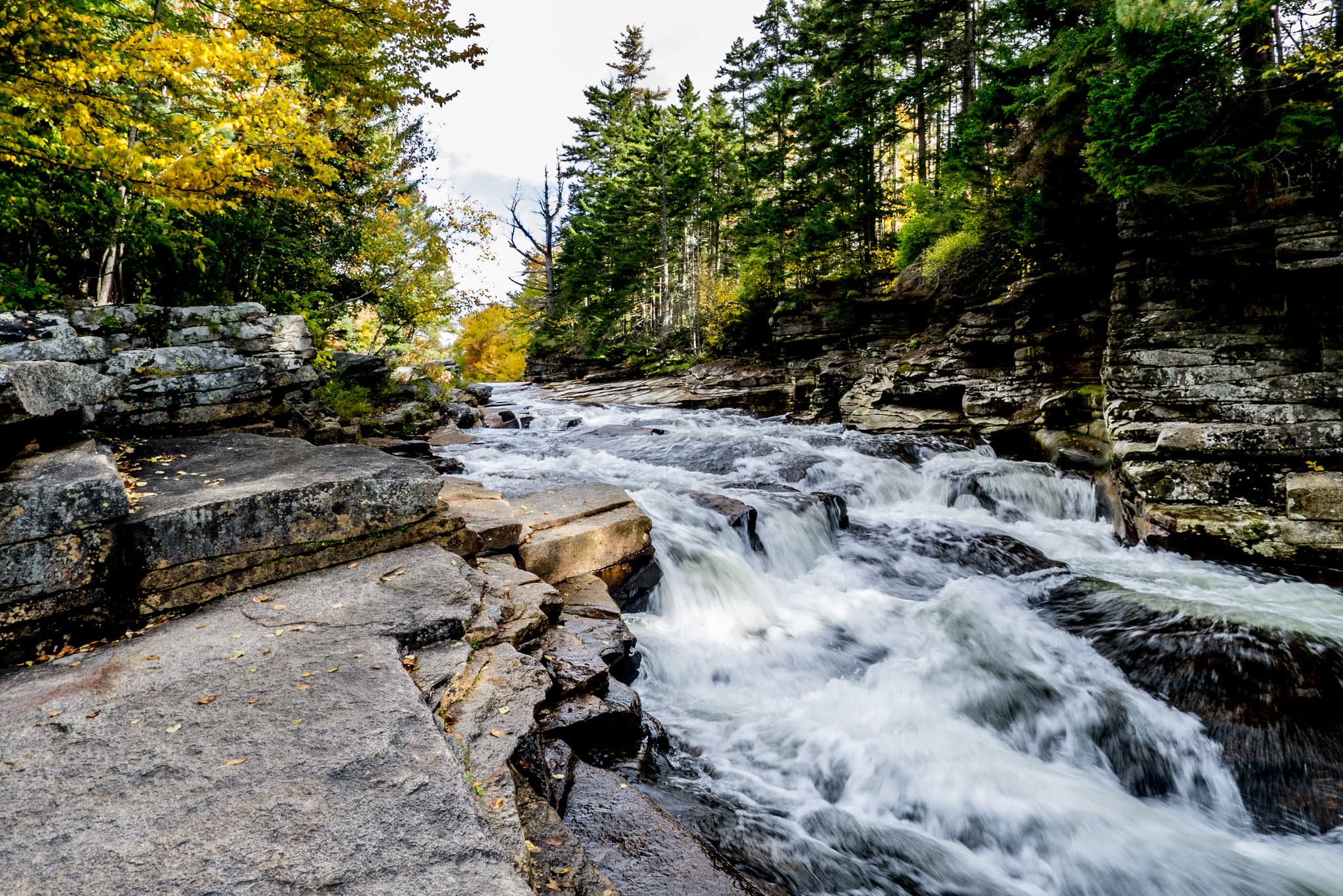
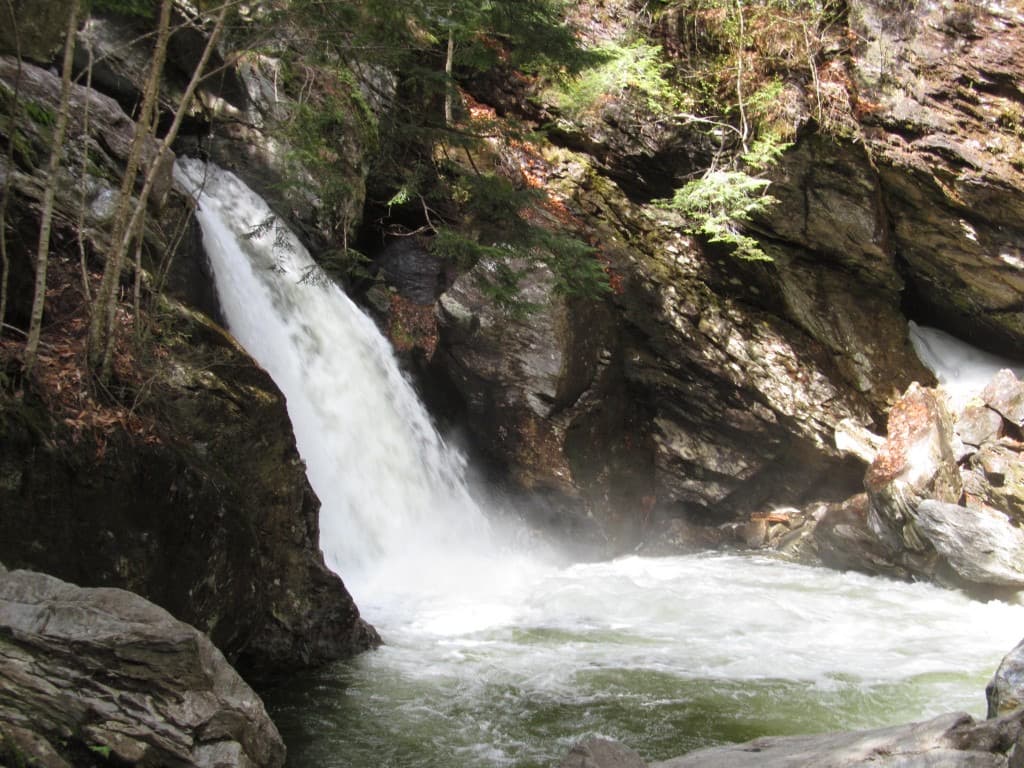
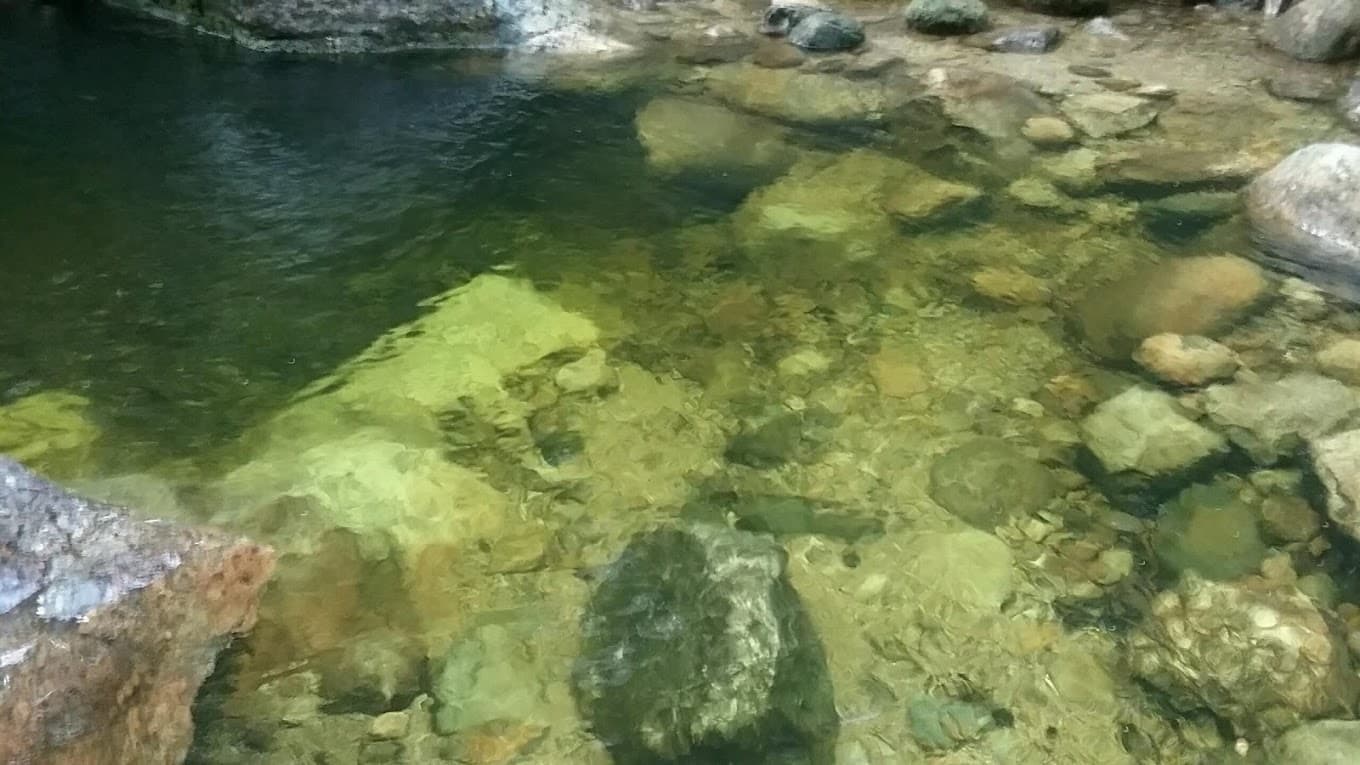
Vermont is the classic swimming-hole state: clear mountain rivers, roadside gorges, quarry swims, and Route 100 waterfall loops. It is also where access pressure is most visible, so parking rules and posted signs matter.
New Hampshire is best when you want White Mountains scenery, cold water, and several stops on one drive. The Kancamagus and Franconia-area pages are useful, but mountain water stays cold longer than the calendar suggests.
Maine rewards people who want lakes, big-water scenery, and quieter drives. Western Maine has dramatic waterfall stops; the coast and inland lake regions work better when you want space and a slower day.
Massachusetts is the practical day-trip state. The Berkshires, hilltowns, public ponds, and managed swim areas make it easier to build a backup plan without committing to a full mountain weekend.
Connecticut is strongest for lake beaches, state-park swimming, and shorter southern New England trips. Town beach rules and water-quality postings change by season, so read the current access notes before promising the group.
Rhode Island is small but useful: ponds, low-key lake beaches, Arcadia-area waterfall stops, and shorter drives when you want freshwater without crossing half the region.
For the best trip, choose the state that matches your group first, then choose the individual place. A quiet lake beach, a cold gorge plunge, and a roadside waterfall are different days even when they sit on the same map.
Updated June 1, 2026